
Dr. Laura Stuart from Oak Tree Osteopathy in Canterbury, Victoria, has written a helpful blog about how and when you can utilise osteopathic treatment to support your musculoskeletal system throughout your pregnancy.
Pregnancy is a beautiful and transformative experience, but it also places unique demands on a woman’s body—especially the musculoskeletal system. As the baby grows, the body must adapt rapidly to physical, hormonal, and postural changes. For many women, these shifts bring discomfort, pain, or strain that can interfere with everyday life and sleep.
This is where osteopathy can provide safe, gentle, and effective support throughout pregnancy.
What is happening to your muscles and joints during your pregnancy?
Pregnancy is a time of significant physical and physiological change. Your body shifts its centre of gravity, there are hormonal changes which impact the ligamentous integrity of the body. As your body adapts to these changes and is busy supporting your growing baby, it can be common for you to experience a range of musculoskeletal discomforts, including lower back pain, pelvic girdle pain, sciatica, and postural strain. These symptoms, while often considered a normal part of pregnancy, can have a considerable impact on daily function and quality of life.
What can I do about pain and discomfort during my pregnancy?
The good news? Osteopathy offers a gentle, safe, and effective approach to managing pain
and maintaining function during pregnancy. You don’t have to wait for pain to start to
commence treatment! Osteopathy can be helpful throughout the three trimesters of your
pregnancy:
First trimester

Before you even notice your body changing from the outside, your hormones are drastically changing! There is increased drag on the ligaments of the uterus and the pelvis. Osteopathic treatment is focussed on helping your body adjust to these early changes and to prepare for the changes that are to come.
-
Nausea and Vomiting
-
Gentle treatment of the diaphragm, thoracic spine, and cranial system may help improve digestion and reduce nausea.
-
-
Fatigue
-
Addressing mechanical tension and improving circulation and lymphatic flow may ease exhaustion.
-
-
Back and Pelvic Pain
-
Early changes in posture and ligament laxity can cause discomfort. Osteopathic techniques can relieve strain on joints and muscles.
-
-
Headaches
-
Cranial osteopathy or gentle manipulation of the cervical and upper thoracic spine may reduce tension headaches.
-
-
Stress and Anxiety
-
Osteopathy can support relaxation and nervous system regulation, which is beneficial for mental well-being.
-
Second trimester

Your body is changing it’s center of gravity, you might be feeling the tiredness ease and want to move your body more. Osteopathy can assist with managing postural strain and pelvic alignment to support your growing belly. Your osteopath can also guide you with exercises and ergomomic advice to prevent these changes from causing or escalating your pain.
-
Lower back pain and pelvic girdle pain
-
Due to increased weight, shift in center of gravity, and ligament laxity.
-
Osteopaths can use gentle techniques to ease sacroiliac, lumbar, and pubic joint strain.
-
-
Round ligament pain
-
Sudden sharp or aching pain due to stretching of uterine ligaments.
-
Myofascial release and soft tissue techniques may help relieve tension around the lower abdomen and pelvis.
-
-
Sciatica or nerve entrapment
-
Worsened by pressure from the growing uterus.
-
Osteopaths can use gentle mobilisation and positioning to relieve nerve compression.
-
-
Postural imbalance
-
Support for spinal alignment and core muscle engagement through manual techniques and posture advice.
-
-
Shortness of breath or rib pain
-
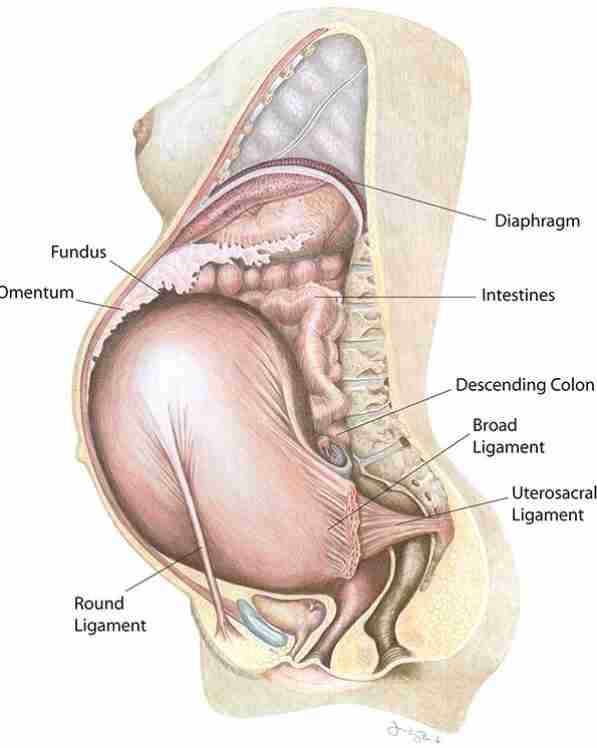
As the uterus expands, the diaphragm and rib cage are under more pressure.
-
Gentle rib and thoracic mobilisation can improve breathing capacity and reduce discomfort.
-
-
Headaches or neck tension
-
Often from poor posture, hormonal changes, or fluid retention.
-
Cranial osteopathy and upper spine work can help reduce these symptoms.
-
-
Sleep disturbances
-
Improved mobility and pain relief can help women sleep better.
-
Third trimester

Sometimes with increased weight and laxity in the ligaments in these later stages there can be increased loading on the pelvis and specifically the pubic joint. Osteopathic treatment can help to relieve the pressure on the joints and prepare your body for the birthing process.
-
Pelvic girdle pain (PGP) & lower back pain
-
From joint laxity (especially in the sacroiliac joints) and increasing load.
-
Gentle pelvic realignment and muscle release can ease discomfort and improve mobility.
-
-
Sciatica or nerve compression
-
Due to pressure from the uterus on the lumbar spine and pelvic nerves.
-
Osteopathic techniques can reduce tension around the lower spine, hips, and piriformis muscle.
-
-
Shortness of breath / rib pain
-
As the uterus pushes upward, the diaphragm becomes restricted.
-
Mobilising the ribs and thoracic spine can help improve breathing capacity and ease discomfort.
-
-
Swelling (edema)
-
Common in the ankles, legs, and hands.
-
Lymphatic drainage techniques can encourage fluid movement and reduce swelling.
-
-
Sleep problems
-
Caused by discomfort, pelvic pressure, or poor circulation.
-
Osteopathy can improve alignment and circulation, helping with rest.
-
-
Digestive issues
-
Heartburn, bloating, and constipation are common.
-
Gentle work on the thoracic spine and diaphragm may aid digestion.
-
- Carpal tunnel syndrome
- Can develop due to fluid retention which can compress the median nerve in the wrist causing tingling and or numbness in the hands
- muscular release of the forearm and wrist and lymphatic drainage
-
Preparation for birth
-
Osteopaths can help:
-
Optimise pelvic alignment
-
Release tension in the pelvic floor and lower back
-
Encourage space for fetal positioning (e.g., if baby is breech or not engaged)
-
-
Is Osteopathy safe during pregnancy?
Yes! Osteopaths are trained to work safely with pregnant women, adapting techniques to suit
each stage of pregnancy. Before beginning treatment, a full health history is taken to ensure
your safety and comfort. Osteopaths can also communicate with your treating practitioner
such as your doctor, midwife or obstetrician throughout your pregnancy.
What next?
Pregnancy is a dynamic journey, and no two experiences are the same. Osteopathy offers personalised, whole-body support that honors the changes occurring in a woman’s body—gently easing discomfort and helping her feel more at ease in her own skin.
If you’re pregnant and experiencing physical strain—or simply want to support your body’s adaptability and balance—consider consulting an osteopath with experience in maternal health. Your body is doing an incredible job. A little support can go a long way.
If you are wanting some help to support your musculoskeletal system bookings are available here